
A leaky roof can lead to significant damage if not promptly addressed. Identifying the source of the leak and implementing effective repairs are crucial to maintaining the integrity of your home. Here’s a comprehensive guide to help you detect and fix roof leaks.
Identifying Roof Leaks
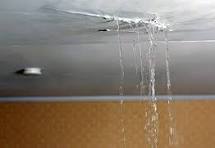
- Interior Signs: Water stains on ceilings or walls, peeling paint, blistering drywall, or mold growth are common indicators of a roof leak. Musty odors and damp spots in the attic also signal moisture intrusion.
- Attic Inspection: With a flashlight, examine the attic for water stains, mold, or damp insulation. Trace any moisture trails to their highest point to locate the leak’s origin.
- Exterior Examination: Inspect the roof for missing, cracked, or curled shingles. Pay special attention to areas around roof penetrations like chimneys, vents, and skylights, as these are common leak sources.
Common Leak Sources and Fixes
- Damaged Shingles: Remove nails from the damaged shingle and replace it with a new one, ensuring it aligns with adjacent shingles. Secure with roofing nails and seal with roofing cement.
- Compromised Flashing: If flashing around chimneys or vents is cracked or corroded, carefully remove the old flashing and install new flashing, sealing it with roofing cement to prevent water intrusion.
- Vent Boots: Check for cracks in vent boots. Replace damaged boots by removing surrounding shingles, installing a new boot, and replacing the shingles.
- Skylight Leaks: Ensure skylight seals are intact. Clear any debris and apply silicone caulk around the edges to seal potential leak points.
Safety Precautions
- Always prioritize safety when inspecting or repairing your roof. Use a sturdy ladder, wear non-slip shoes, and consider a safety harness.
- Avoid working on the roof during wet or windy conditions to prevent accidents.
When to Seek Professional Help
While minor repairs can be managed independently, significant damage or persistent leaks require professional assessment. Engaging a licensed roofing contractor ensures repairs are conducted safely and effectively.
Preventative Measures
- Regular Inspections: Conduct bi-annual roof inspections to identify and address potential issues before they escalate.
- Gutter Maintenance: Keep gutters clean to prevent water buildup and roof damage.
- Trim Overhanging Branches: Reduce debris accumulation and minimize damage risk from falling branches.
By proactively identifying and addressing roof leaks, you can protect your home from extensive damage and maintain a safe living environment.